A white-box reset returns a commercial unit to a clean, neutral shell so the next tenant can fit it out to their own design. In practice that means removing the previous tenant’s fit-out, repairing walls, ceilings and floors, painting surfaces white and leaving basic lighting, power and services in working order. Landlords usually need one when a tenant vacates and the lease requires the premises to be reinstated, or when a unit has to be marketed to new tenants quickly.
What does a white box include?
There is no single legal definition, so the scope is set by the lease and by what the landlord wants to offer the next tenant. A typical white-box reset covers:
- Strip-out. Removal of shopfittings, signage, counters, partitions, bulkheads and flooring that belonged to the previous tenant.
- Walls. Repairs to holes and damage left by fixings, wall skimming where needed and white paint throughout.
- Ceilings. Repair or replacement of damaged ceiling boards or tiles, with a clean, uniform finish.
- Floors. Removal of adhesives and old finishes, and a level screed or sealed concrete ready for the next floor finish.
- Lighting and power. Basic general lighting and a working distribution board, with socket outlets made safe.
- Services. Plumbing points capped or left serviceable, and air conditioning, fire detection and sprinklers checked against the building’s requirements.
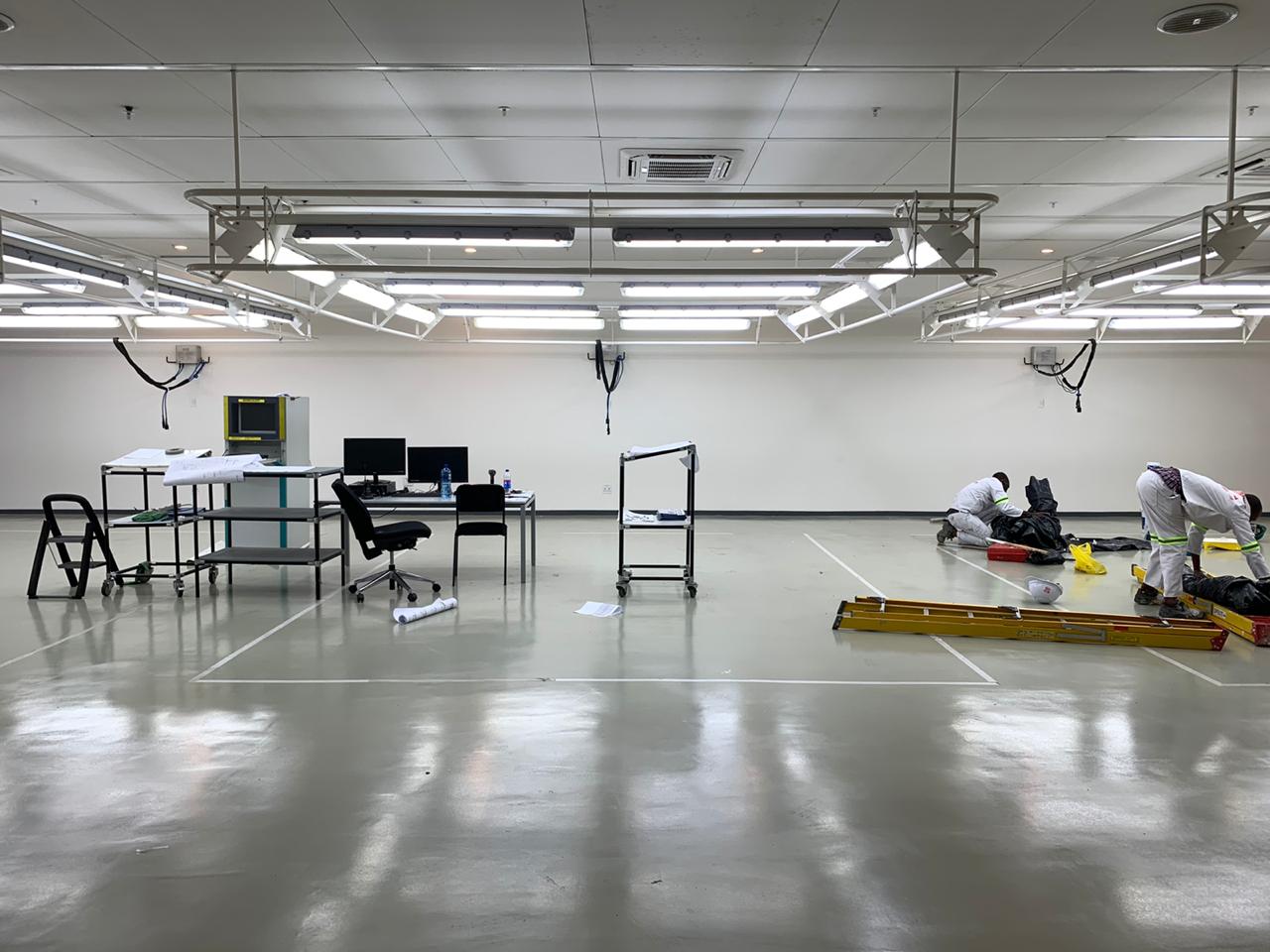
White box, grey shell and full fit-out
Three terms come up in most commercial leasing conversations, and it helps to be clear on the difference:
- Grey shell or cold shell. The bare structure: concrete floor, unfinished walls and often no ceiling, lighting or distribution. The tenant does almost everything.
- White box. A finished but empty space with painted walls, a ceiling, basic lighting and services. The tenant adds branding, layout, furniture and specialist services.
- Full fit-out. A space finished to a specific tenant’s design, including partitions, joinery, flooring, feature ceilings and lighting.
A white box is the middle ground that suits most retail and office units. It looks presentable during viewings, lets prospective tenants picture the space, and shortens the time between signing a lease and trading.
When does a landlord need a white-box reset?
The most common triggers are:
- End of lease reinstatement. Many leases require the outgoing tenant to return the unit to its original condition. Where the tenant does not, the landlord often carries out the work and recovers the cost in line with the lease.
- Re-letting a tired unit. A unit left with an old fit-out is harder to let. A neutral shell appeals to a wider range of tenants.
- Changing the use. A unit moving from, for example, food to retail or office use usually needs services and finishes reset before the new fit-out.
- Tenant installation allowances. Where a landlord offers a fit-out contribution, delivering a white box first gives both parties a clear baseline.
How long does a white-box reset take?
Timing depends on the size of the unit, how much of the previous fit-out has to come out and what condition the services are in. A small retail unit with a light fit-out can be reset far faster than a restaurant with extraction, cold rooms and heavy flooring. The biggest delays usually come from discoveries during strip-out, such as damaged screeds, concealed water leaks or electrical work that has to be brought up to standard.
Planning helps. Inspecting the unit before the outgoing tenant leaves, agreeing what stays and what goes, and ordering long-lead items such as ceiling tiles or light fittings in advance all reduce the time a unit stands empty.
What to check before you sign off a white box
- Walls are smooth, uniformly painted and free of old fixings and patches that show through.
- Ceilings are level and complete, with no stained or sagging boards or tiles.
- Floors are level, clean and free of adhesive residue.
- Lights work, the distribution board is labelled and an electrical certificate of compliance is available where work was done.
- Plumbing points are capped or working with no leaks.
- Fire detection, emergency lighting and sprinklers are reinstated where the building requires them.
Frequently asked questions
It depends on the lease. Many leases make the outgoing tenant responsible for reinstatement. Where the landlord carries out the work, the cost may be recovered from the tenant or treated as an investment in re-letting the unit.
The terms are often used interchangeably. Both describe a clean, finished but empty unit ready for a tenant’s own fit-out, although the exact scope should always be written into the lease or the contractor’s quote.
Sometimes. In shopping centres and office parks the landlord often provides base air conditioning, while the tenant adapts it to their layout. The lease and building specification define who provides what.
Yes. Noise, dust and deliveries are planned around the centre’s or building’s rules, with hoarding and after-hours work used where needed.
Getting a unit ready to let
A well-executed white box lets a landlord show a unit at its best and hand it over without delays. SKK carries out white boxing, shopfitting and interior fit-outs for retail and commercial properties, together with the electrical, plumbing and painting work that a reset usually needs. For an incoming tenant, a white box is also the starting point for feature ceilings and bulkheads. To scope a unit, request a quote from SKK.